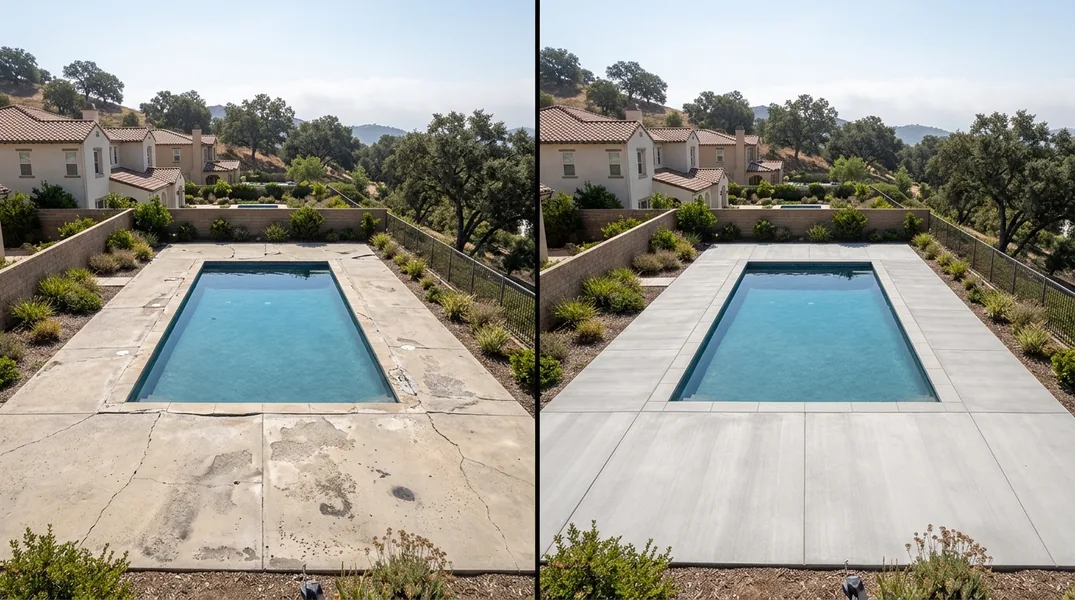
Introduction: Concrete vs. Pavers in Thousand Oaks
When it comes to upgrading your driveway or patio in Thousand Oaks, one of the biggest decisions you'll face is whether to go with concrete or pavers. Both options have loyal advocates, and for good reason. Each brings distinct advantages and trade-offs that can significantly impact your property's curb appeal, functionality, and long-term maintenance costs.
The choice between these two popular surfacing materials isn't one-size-fits-all. Your decision will depend on your budget, aesthetic preferences, climate considerations, and how much time you're willing to invest in upkeep. In this guide, we'll break down the key differences so you can make an informed choice that's right for your home.
Durability and Longevity: Which Lasts Longer?
Concrete Driveways are engineered to withstand decades of use when properly installed and maintained. A quality concrete driveway can last 25 to 40 years or more, especially in the mild climate of Thousand Oaks where freeze-thaw cycles are minimal. Concrete's monolithic structure means it handles vehicle weight consistently across its entire surface, and it resists the effects of time remarkably well when sealed and cared for appropriately.
Pavers, by contrast, typically have a lifespan of 15 to 25 years before individual units may need replacement. While pavers are incredibly durable as individual pieces, the joints between them can settle or shift over time, especially with heavy use or poor drainage. That said, pavers offer a distinct advantage: you can replace individual damaged units without replacing the entire surface. With concrete, a significant crack or failure often means addressing a larger section or the whole driveway. For homeowners seeking a solution that requires minimal intervention over decades, concrete generally wins the longevity contest.
Maintenance Requirements: Time and Effort Comparison
Concrete requires regular but straightforward maintenance. You'll want to seal your concrete driveway every two to three years to protect against stains, moisture infiltration, and UV damage. Routine cleaning with a pressure washer keeps it looking fresh, and prompt repairs of small cracks prevent them from expanding into larger problems. Concrete Repair & Resurfacing services can extend the life of your driveway significantly when cracks or surface deterioration appear.
Pavers demand more hands-on maintenance. The joints between pavers can collect dirt, weeds, and debris, requiring regular sweeping and occasional pressure washing. Over time, sand that holds pavers in place can wash away, causing pavers to shift or settle unevenly. You may need to re-sand joints periodically, and individual pavers that crack or become damaged must be removed and replaced. If you enjoy maintaining your outdoor spaces, this level of attention might appeal to you. However, if you prefer a lower-maintenance option, concrete is the more practical choice for busy homeowners.
Cost Comparison: Initial Investment and Long-Term Value
When comparing pricing for concrete versus pavers, the initial installation cost is a crucial factor. Concrete typically costs less upfront, ranging from $6 to $12 per square foot for a standard driveway installation in California. Pavers generally run higher, between $10 to $20 per square foot or more, depending on the material quality and design complexity. For a typical 500-square-foot driveway, this difference can easily amount to several thousand dollars.
However, the total cost of ownership extends beyond installation. Concrete requires periodic sealing and occasional repairs, while pavers demand more frequent maintenance and eventual replacement of damaged units. Over a 20 to 30-year period, the cumulative maintenance costs for pavers can approach or exceed the initial savings on concrete installation. Additionally, if you ever need to access utilities beneath your driveway, concrete can be cut and repaired, whereas pavers must be carefully lifted and reset. For budget-conscious homeowners planning to stay in their Thousand Oaks home long-term, concrete often represents better value over time. To get an accurate free estimate tailored to your specific project, contact Thousand Oaks Concrete at (805) 367-5959.
Aesthetic Options: Design Flexibility and Curb Appeal
Pavers excel in design versatility. They come in countless colors, shapes, and patterns, allowing you to create intricate designs and personalized layouts. Whether you prefer a traditional herringbone pattern, a modern geometric design, or a rustic cobblestone look, pavers can deliver it. This flexibility makes pavers particularly popular for Concrete Patios and outdoor entertaining spaces where aesthetics are paramount. The individual nature of pavers also means you can mix and match colors and styles to achieve a truly custom appearance.
Concrete, however, shouldn't be underestimated in the aesthetics department. Stamped & Decorative Concrete options allow you to create the look of natural stone, brick, or tile at a fraction of the cost of pavers. Concrete can be stained, scored with patterns, or finished with various textures to complement your home's architectural style. Modern concrete designs can be just as visually stunning as pavers, and they offer a seamless, unified appearance that some homeowners find more contemporary and sophisticated. The choice between these aesthetics ultimately comes down to personal preference and the overall design vision for your property.
Climate Considerations for Thousand Oaks Homeowners
Thousand Oaks enjoys a Mediterranean climate with mild winters and warm, dry summers. This climate actually favors concrete over pavers in several ways. The lack of freeze-thaw cycles means concrete won't suffer from the cracking and spalling that occurs in colder regions where water freezes and expands within the material. Additionally, the consistent weather patterns mean you won't experience the dramatic temperature fluctuations that can cause pavers to shift or settle unpredictably.
The sunny California climate does mean both materials will experience UV exposure and potential fading over time. However, concrete can be sealed to resist UV damage and staining from the intense sun, while pavers may fade more noticeably, particularly darker colors. The dry conditions in Thousand Oaks also mean excellent drainage for both options, though proper installation is essential regardless of which material you choose. If you're uncertain which option is best suited to your specific location and conditions, the team at Thousand Oaks Concrete can provide professional guidance tailored to your property's unique characteristics.
Making Your Final Decision: Concrete or Pavers?
Choosing between concrete and pavers comes down to weighing your priorities. If you value durability, lower maintenance, long-term cost savings, and a clean, modern aesthetic, concrete is the superior choice. If you prioritize design flexibility, enjoy hands-on maintenance, and want the ability to replace individual sections without major disruption, pavers may be worth the additional investment and upkeep.
For most homeowners in Thousand Oaks, concrete offers the best combination of performance, value, and longevity. The mild local climate is ideal for concrete, installation costs are lower, and you'll spend less time and money on maintenance over the years. Whether you're installing a new driveway or considering a patio upgrade, Thousand Oaks Concrete is here to help you make the right choice for your home. Call us today at (805) 367-5959 or request a free estimate to discuss your project with our experienced team.
Looking for a professional concrete contractor in Thousand Oaks? Thousand Oaks Concrete responds fast for all your concrete needs.
Get a Free QuoteOur services: Concrete Driveways · Concrete Patios · Stamped & Decorative Concrete